Integrating Milyanna Into Your Creative and Professional Workflow
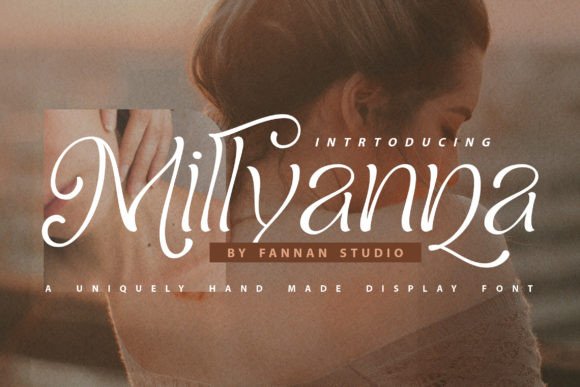
In the modern digital landscape, typography is far more than a decorative afterthought. It is a fundamental component of communication strategy, influencing readability, brand perception, and user engagement. For professionals ranging from graphic designers to content marketers, selecting the right typeface is a critical decision that impacts the entire lifecycle of a project. Milyanna has emerged as a versatile tool in this ecosystem, offering a distinct aesthetic that bridges the gap between artistic expression and functional clarity. Understanding how to effectively integrate this font into your workflow can significantly enhance the quality and consistency of your output.
The utility of Milyanna extends across a broad spectrum of media. Whether you are designing print documents, optimizing website interfaces, creating social media advertisements, or developing comprehensive brand guidelines, the choice of typeface dictates how your message is received. This article explores the practical application of Milyanna, focusing on its technical features, such as PUA encoding, and providing actionable strategies for incorporating it into your daily professional routines.
Understanding the Technical Foundation: PUA Encoding and Accessibility
One of the most significant advantages of using Milyanna in a professional setting is its technical robustness, specifically its PUA (Private Use Area) encoding. For those unfamiliar with typographic terminology, PUA encoding is a method that allows fonts to include additional characters, glyphs, and ligatures that are not part of the standard Unicode set. This feature is crucial for designers and creators who require precise control over the visual nuances of their text.
When a font is PUA encoded, users can access a wide array of special characters and stylistic alternates with ease. This eliminates the need for complex workarounds or third-party software to insert specific glyphs. In a fast-paced workflow, this efficiency translates directly to time savings. Instead of hunting for specific design elements, you can seamlessly integrate unique ligatures and decorative flourishes directly from your design software’s glyph panel. This level of accessibility ensures that the creative vision remains intact without being hindered by technical limitations.
Furthermore, PUA encoding supports better consistency across different platforms. When you use standard encoding, certain special characters may not render correctly on all devices or operating systems. By leveraging the full capabilities of Milyanna’s encoding, you ensure that your designs maintain their intended appearance whether viewed on a high-resolution monitor, a mobile device, or in printed format. This reliability is essential for maintaining brand integrity and professional standards.
Strategic Implementation Across Media Channels
The versatility of Milyanna allows it to function effectively in various stages of a project, from initial concept development to final publication. Its adaptability makes it suitable for both digital and print environments, provided that proper preparation and compatibility checks are conducted.
Digital Design and Web Presence
In web design and digital marketing, typography plays a pivotal role in user experience. Milyanna can be employed to create visually engaging headers, call-to-action buttons, and featured quotes. However, integrating a custom font into a website requires careful planning. You must ensure that the font files are optimized for web use, typically in formats such as WOFF or WOFF2, to minimize load times and maintain site performance.
When using Milyanna on websites, consider its readability at different screen sizes. While it may excel in larger display sizes, pairing it with a highly legible sans-serif font for body text can create a balanced hierarchy. This combination allows Milyanna to serve as an accent typeface, drawing attention to key messages without overwhelming the reader. Additionally, testing the font across various browsers and devices is a necessary step in the quality control process to ensure consistent rendering.
Print Documents and Editorial Layouts
For print media, such as brochures, magazines, and business reports, Milyanna offers a sophisticated touch that can elevate the perceived value of the document. In these contexts, the focus shifts to resolution and ink coverage. High-quality vector files ensure that the intricate details of the font remain sharp and clear, even in large-format printing.
When preparing print materials, it is essential to embed the font files correctly within your design software to avoid substitution issues during the printing process. Collaborating with printers early in the workflow can help identify any potential compatibility issues. Moreover, utilizing the ligatures available through PUA encoding can add a layer of refinement to headings and titles, distinguishing your printed materials from generic templates.
Branding and Advertising Campaigns
In advertising, consistency is key to building brand recognition. Milyanna can serve as a primary or secondary typeface in your brand identity system. By defining specific use cases for the font—such as logo variations, taglines, or promotional graphics—you create a cohesive visual language that resonates with your audience.
Implementing Milyanna in advertising campaigns involves coordinating with multiple stakeholders, including copywriters, art directors, and media buyers. Establishing clear guidelines on how the font should be used ensures that all creative assets align with the brand’s overall strategy. This includes specifying minimum sizes, color combinations, and spacing requirements to maintain visual harmony across diverse media channels.
Workflow Integration and Best Practices
To maximize the benefits of Milyanna, it is important to integrate it smoothly into your existing workflows. This involves more than just installing the font; it requires a systematic approach to organization, collaboration, and quality assurance.
- Organization and Asset Management: Keep your font files organized in a centralized library. Use descriptive naming conventions and version control to ensure that team members are always accessing the correct files. This prevents confusion and reduces the risk of using outdated or corrupted versions.
- Compatibility Testing: Before launching any major project, test Milyanna across all intended platforms and devices. Check for rendering issues, spacing inconsistencies, and legibility concerns. Addressing these issues early in the process saves time and resources later on.
- Collaboration and Communication: If you are working with a team, ensure that everyone has access to the font files and understands how to use them. Provide clear documentation on installation procedures and usage guidelines. This fosters a collaborative environment where creative ideas can be executed efficiently.
- Quality Control: Implement a review process that includes a typography check. Look for awkward kerning, inconsistent sizing, or misaligned elements. Pay special attention to how ligatures and special glyphs are rendered, as these details can significantly impact the overall aesthetic.
Enhancing Efficiency Through Tool Integration
Milyanna does not exist in isolation; it interacts with a variety of tools and resources that make up your creative toolkit. Integrating it with design software such as Adobe Creative Cloud, Sketch, or Figma allows for seamless manipulation and customization. Utilizing plugins and scripts that support PUA encoding can further streamline the process of accessing special characters.
For educators and bloggers, integrating Milyanna into content creation workflows can enhance the visual appeal of educational materials and blog posts. Using the font for headers and pull quotes can break up text-heavy content, making it more engaging and easier to digest. However, it is important to balance aesthetic appeal with functionality. Ensure that the font does not compromise readability, especially for audiences with visual impairments.
Entrepreneurs and small business owners can leverage Milyanna to create professional-looking marketing materials without the need for extensive design expertise. By using pre-designed templates that incorporate the font, they can maintain a consistent brand image across all communications. This approach not only saves time but also ensures that the brand’s visual identity remains strong and recognizable.
Long-Term Use and Sustainability
Adopting Milyanna as part of your long-term design strategy requires a commitment to ongoing maintenance and updates. As technology evolves, so do the standards for web typography and digital design. Staying informed about best practices and emerging trends ensures that your use of Milyanna remains relevant and effective.
Regularly reviewing your brand guidelines and updating them to reflect new use cases for the font can help maintain consistency. Additionally, seeking feedback from users and stakeholders can provide valuable insights into how the font is perceived and where improvements can be made. This iterative process of evaluation and refinement is essential for sustaining the effectiveness of your typographic choices.
In conclusion, Milyanna is more than just a font; it is a strategic asset that can enhance the quality and impact of your creative work. By understanding its technical features, such as PUA encoding, and implementing it thoughtfully across various media channels, you can create compelling visual narratives that resonate with your audience. Whether you are a seasoned designer or a business owner looking to elevate your brand, integrating Milyanna into your workflow offers a pathway to greater efficiency, consistency, and creative excellence.